
The Silent Stressors Draining Your Health: Sugar, Sleep & Skipped Meals
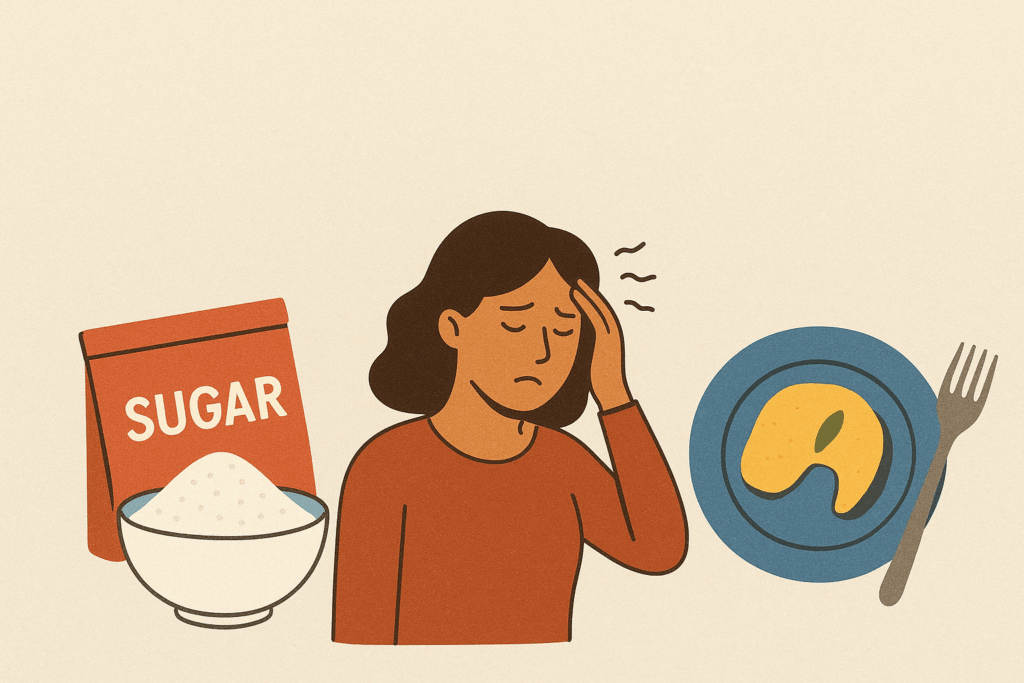
We often blame long workdays or workouts for our fatigue — but the real stress on your body often comes from everyday habits you don’t even notice.
Three of the biggest culprits? Sugar spikes, poor sleep, and skipped meals. They seem harmless… until they quietly drain your energy, metabolism, and mood.
1. Sugar: The Quick High That Crashes You Hard
Modern diets are full of hidden sugars — in tea, coffee, packaged foods, sauces, snacks.
Research shows that frequent sugar spikes trigger:
- Rapid insulin jumps → followed by sudden energy crashes
- Increased inflammation
- Fatigue and cravings
- Slower metabolism over time
That’s why you feel “tired but wired” — your energy rises fast, falls faster, and leaves you hungrier than before.
2. Poor Sleep: The Stress You Can’t See but Always Feel
According to multiple sleep studies, even one night of poor sleep can:
- Increase cravings for sugar and carbs
- Slow down metabolism by up to 15–20%
- Raise cortisol (your stress hormone)
- Reduce muscle recovery
- Affect mood, concentration, and appetite control
You don’t realize it, but sleep loss behaves like a “nutrient deficiency.”
Your body treats it as a biological stressor — and tries to compensate with more food, especially sugar.
3. Skipped Meals: The Myth of ‘Eating Less’
Skipping breakfast or going long hours without food doesn’t boost fat loss — it stresses your system.
When you skip meals:
- Blood sugar drops
- Cortisol rises
- Cravings increase
- Muscle breakdown begins
- Metabolism slows to conserve energy
Your body isn’t “burning fat” — it’s going into survival mode, holding onto fat and burning muscle instead.
The Real Problem? These Stressors Stack Up
One sugary tea → poor sleep → skipping breakfast → afternoon crash.
It becomes a cycle.
A cycle that affects:
- Digestion
- Hormones
- Mood
- Weight management
- Productivity
- Long-term metabolic health
And most people don’t even realise they’re stuck in it.
The Good News: Small Fixes Create Big Changes
You don’t need a perfect diet — just better rhythm.
- Pair carbs with protein or fiber
- Prioritize 7–8 hours of sleep
- Eat every 3–4 hours
- Keep your blood sugar stable
- Choose whole foods 80% of the time
Your body responds quickly when you reduce internal stress.
A Simple Truth
Your diet isn’t just about what you eat — it’s about how you live between those meals.
Manage these quiet stressors, and suddenly your energy, mood, and metabolism stop fighting you… and start working for you.